Hey there, fellow coffee explorers! 👋
Have you ever thought that coffee was just a bitter, roasty brown liquid? Until one day, you drank a cup full of floral and fruity notes, so sweet and tangy it was like juice, and you suddenly realized, “Oh my god! What have I been drinking all this time?!” 🤯
If your taste buds are looking for a revolution, then you absolutely cannot miss coffee from Ethiopia!
Ethiopia isn’t just the birthplace of coffee; it’s a treasure trove of flavor. Every bean here is like a magician with a unique personality, always ready to conjure up a surprise in your cup. Today, I’ll take you on a journey through Ethiopian coffee—from its origin and unique flavors to my own “getting hooked” story. I promise that from now on, your imagination of coffee will no longer be just black and white, but filled with a spectrum of colors! 🌈
This article is my original work. I’ll use my coffee cups and my own memories to present a unique Ethiopian coffee story just for you!
I. Table of Contents
Foreword: Why Ethiopian Coffee Can Subvert Your Expectations?
II. The Home of Coffee: From a Shepherd to the Origin of Flavor
- The Legend of Kaldi
- The One-of-a-Kind “Heirloom” Varieties
III. Ethiopian Coffee’s “Two Aces”: A Deep Dive into Processing Methods
- Ace One: The Natural Process
- Ace Two: The Washed Process
IV. A Tour of Classic Regions: A Flavor Map of Three Must-Trys
- Yirgacheffe: The Floral Fairy, a Must-Try for Beginners
- Sidamo: The Versatile Sprite with a Multi-faceted Flavor
- Harrar: Wild and Untamed, a Flavor Bomb
V. My Personal Story: The Coffee That Was a “True Eye-Opener”
VI. Conclusion & Recommendations: Enjoy Your Coffee Exploration Journey
II. The Home of Coffee: From a Shepherd to the Origin of Flavor
The Legend of Kaldi
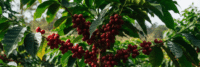
To talk about Ethiopian coffee, we have to mention the long-standing legend. It’s said that in the 9th century, in Ethiopia, a goat shepherd named “Kaldi” noticed that his goats became unusually excited and energetic after eating a certain red fruit, staying up all night. Out of curiosity, Kaldi tried some himself and found that he also became invigorated. This magical fruit is what we now know as the coffee cherry!
Although it’s just a legend, it perfectly illustrates Ethiopia’s important place in coffee history. It’s not only the birthplace of coffee but also the “gene bank” for countless coffee varieties.
The One-of-a-Kind “Heirloom” Varieties
You might have heard that coffee is mainly divided into two species: Arabica and Robusta. However, most Ethiopian coffee varieties are classified as “Heirloom” or “Ethiopian Landrace.”
This is a broad classification because there are thousands of un-identified wild coffee trees in Ethiopia, and each one could potentially produce a unique flavor! These heirloom coffee trees make the flavors of Ethiopian coffee endlessly varied and full of possibility. This is why every Ethiopian coffee you try can bring you a completely different surprise! 🥳
III. Ethiopian Coffee’s “Two Aces”: A Deep Dive into Processing Methods
If heirloom varieties are the soul of Ethiopian coffee, then the “processing methods” are the magic that makes the flavors appear in different forms. In Ethiopia, the two most common and representative methods are the Natural Process and the Washed Process.
Ace One: The Natural Process
- Method: The entire coffee cherry is laid out to dry in the sun. During this process, the sugars and mucilage from the fruit soak back into the bean.
- Flavor Profile: This is like turning grapes into raisins; the flavor becomes extremely intense and uninhibited! Naturally processed beans often have strong notes of berries, tropical fruits, and even a fermented, wine-like aroma. When you brew them, the entire room will fill with a sweet fragrance.
- Imagine This for a Newbie: Drinking a naturally processed Ethiopian coffee is like sipping a cup of coffee that tastes like blueberry jam or strawberry fruit tea. The acidity is usually milder, but the flavor is an explosion of power!
Ace Two: The Washed Process
- Method: The fruit flesh is removed from the coffee cherry, and the beans are then soaked in water, fermented, and washed clean before being dried.
- Flavor Profile: Washed beans have an incredibly clean and bright flavor! Because there’s no influence from the fruit flesh, the bean’s inherent flavors are more prominent. They usually have a bright acidity like citrus, lemon, or bergamot, along with an elegant floral aroma like jasmine or white flowers.
- Imagine This for a Newbie: Drinking a washed Ethiopian coffee is like enjoying a jasmine tea with a refreshing hint of lemon. The body is light, and the acidity is lively—it’s the perfect drink for a summer day!
IV. A Tour of Classic Regions: A Flavor Map of Three Must-Trys
Ethiopia has countless coffee regions, and it’s easy for a newbie to get lost. I’ve selected three of the most classic and representative regions to help you navigate. They are like three characters with distinct personalities, guiding you into this magical coffee world.
1. Yirgacheffe: The Floral Fairy, a Must-Try for Beginners 🧚♀️
Yirgacheffe is Ethiopia’s most famous and beloved region. If you see this name on a menu, it’s essentially the “newbie village” of the specialty coffee world! The beans here, especially the washed-processed ones, have a very clean and delicate flavor.
Flavor: Notes of lemon, bergamot, and citrus, along with an elegant floral aroma of jasmine and white flowers. The body is light and refreshing, like a floral fairy in a white dress dancing lightly on your tongue.
2. Sidamo: The Versatile Sprite with a Multi-faceted Flavor 🧚♂️
Sidamo is one of the largest coffee-producing regions in Ethiopia, and its beans have incredibly diverse flavors. You can find beans here that have both the fruity sweetness of a natural process and the clean crispness of a washed process.
Flavor: Typically has berry flavors like blueberry, strawberry, and blackberry, often accompanied by a rounded sweetness of nuts and caramel. Its flavor is very balanced, and the body is moderate, making it an excellent starting point for exploring Ethiopian coffee’s flavor profiles.
3. Harrar: Wild and Untamed, a Flavor Bomb 💣
Harrar is an ancient region in eastern Ethiopia. The beans here are mostly natural-processed, and their flavor is wild and uninhibited with a strong fermented character.
Flavor: Has a unique and intense flavor of blueberry jam, wine, and even fermented liquor. Some beans also have complex notes of spices and tobacco. If you want to try the most authentic and untamed Ethiopian coffee, Harrar is definitely the choice for you!
V. My Personal Story: The Coffee That Was a “True Eye-Opener”
Early in my coffee journey, all I drank was black coffee from convenience stores or a Caramel Macchiato from a chain store. To me, coffee was just a bitter-sweet liquid for staying awake.
Until one day, a friend dragged me into a professional-looking specialty coffee shop. At the time, my only request for the barista was, “Sir, please give me a coffee that’s not bitter.” The barista smiled and said, “Today, I’ll brew you a sweet coffee.” He chose a natural-processed Ethiopian Yirgacheffe.
When he poured the hot water over the grounds, the air instantly filled with a sweet aroma. It wasn’t the caramel scent I was used to, but a sweet fragrance of strawberries and blueberry jam! My thought was, “Is the barista secretly making jam on the side?” 😅
I took the first sip, and the warm liquid exploded on my tongue with strong flavors of blueberry and grape. It was followed by a bright acidity like lemon, but it was clean and refreshing, not sharp. It felt like I was drinking a warm liquid that concentrated all the berry flavors! I was completely stunned, with only one thought in my head: “So this… this is what coffee can be!”
That one cup completely shattered all my expectations of coffee, making me realize that coffee isn’t just a beverage; it’s a sensory experience full of flavor and stories. From that day on, I fell headfirst into the sweet world of pour-over coffee and have never looked back.
VI. Conclusion & Recommendations: Enjoy Your Coffee Exploration Journey
Ethiopian coffee is like a gateway to a flavor universe. It’s full of surprises and endless possibilities. For you, the beginner who’s just entering the coffee world, here are a few final words of advice from the heart:
- Start with Yirgacheffe: If you don’t know where to start, begin with the classic “Washed Yirgacheffe”! Its clean flavor and elegant floral notes make it the best starting point for experiencing the magic of Ethiopian coffee.
- Don’t Be Afraid of Acidity: The acidity in Ethiopian coffee is the soul of its flavor. Be open-minded and taste it; you’ll find that it’s not a harsh acidity but a lively, refreshing flavor like fresh fruit.
- Try Different Processing Methods: Try tasting both a natural and a washed bean from the same region. You’ll be amazed by the huge difference the processing method makes, which will give you a deeper understanding of coffee flavor.
Alright, enough talk! It’s time to take that first step yourself! Go choose a bag of Ethiopian beans that feels right to you and begin your flavor adventure! I wish you a fun-filled journey full of surprises! 😉